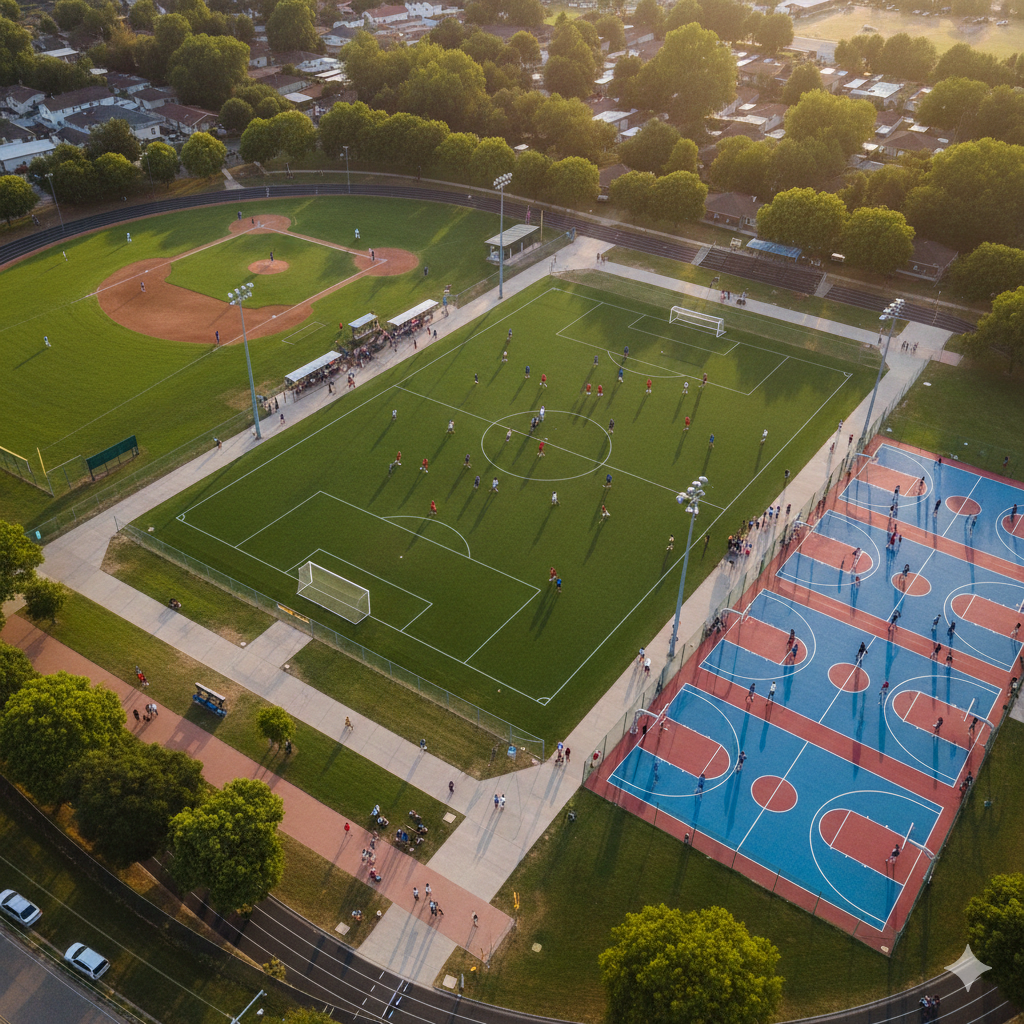
Running a single sports league is challenging. Trying to manage basketball, volleyball, soccer, and baseball at the same time is even harder.
If you coordinate a multi-sport association, you know the challenges: double-booked facilities, officials covering several games in one night, and parents wondering why their children's games and practices overlap. Here's how you can make managing multiple sports easier.
The Real Challenge of Multi-Sport Coordination
According to the Aspen Institute's Project Play, tens of millions of kids play organized sports each year in the U.S., and many facilities host several leagues at the same time. The main challenge is not just having more games, but sharing resources between sports that have different needs.
Basketball and volleyball both need the gym on Tuesday nights. Soccer uses the fields in spring, but in the fall, football and field hockey also need those spaces. Add in school schedules, maintenance, and the fact that many athletes play more than one sport, and coordination becomes even more difficult.
Creating a Unified Calendar System
To manage several sports successfully, you need a single, shared schedule that everyone can access. If each sport uses its own calendar, conflicts are bound to occur.
Begin by planning your whole year for all sports. Mark important dates first, like school breaks, holidays, championship weekends, and times when facilities need maintenance. These dates should not be changed.
Next, decide the main season for each sport. Some seasons might overlap, but knowing when each sport is busiest helps you plan. For example, spring is usually for baseball and lacrosse, while fall is for soccer and football. This way, you can give priority to the right sports during busy periods.
Make the calendar visible to everyone—coaches, officials, facility managers, and families. If a basketball coach wants to schedule a practice, they should be able to check if the gym is already booked for volleyball. Being open about the schedule can prevent most conflicts.
Managing Shared Resources and Facilities
Facility conflicts are one of the most common challenges for multi-sport coordinators. There are only so many gyms, fields, and pieces of equipment, but many leagues need them for different reasons.
Create a clear facility allocation policy based on:
Sport-specific needs: Some sports require specific facilities (hockey needs ice, gymnastics needs specialized equipment). These get first priority for their required spaces.
Season priority: Sports in their main season should get the best time slots. For example, fall soccer should have priority over winter soccer for Saturday morning fields.
Equity rotation: Don't let one sport always get the best times. Rotate the top slots each year so every league gets a chance at Saturday mornings or weekday evenings.
Shared practice spaces: Use multi-purpose facilities in creative ways. For example, one side of a gym can be used for basketball while the other is for volleyball. Soccer and lacrosse can also share a field for practice if you plan ahead.
Document everything in a facility-use agreement that all sport directors sign off on. When conflicts come up, having a clear plan helps you solve them fairly instead of relying on personal preferences.
Cross-Sport Official Management
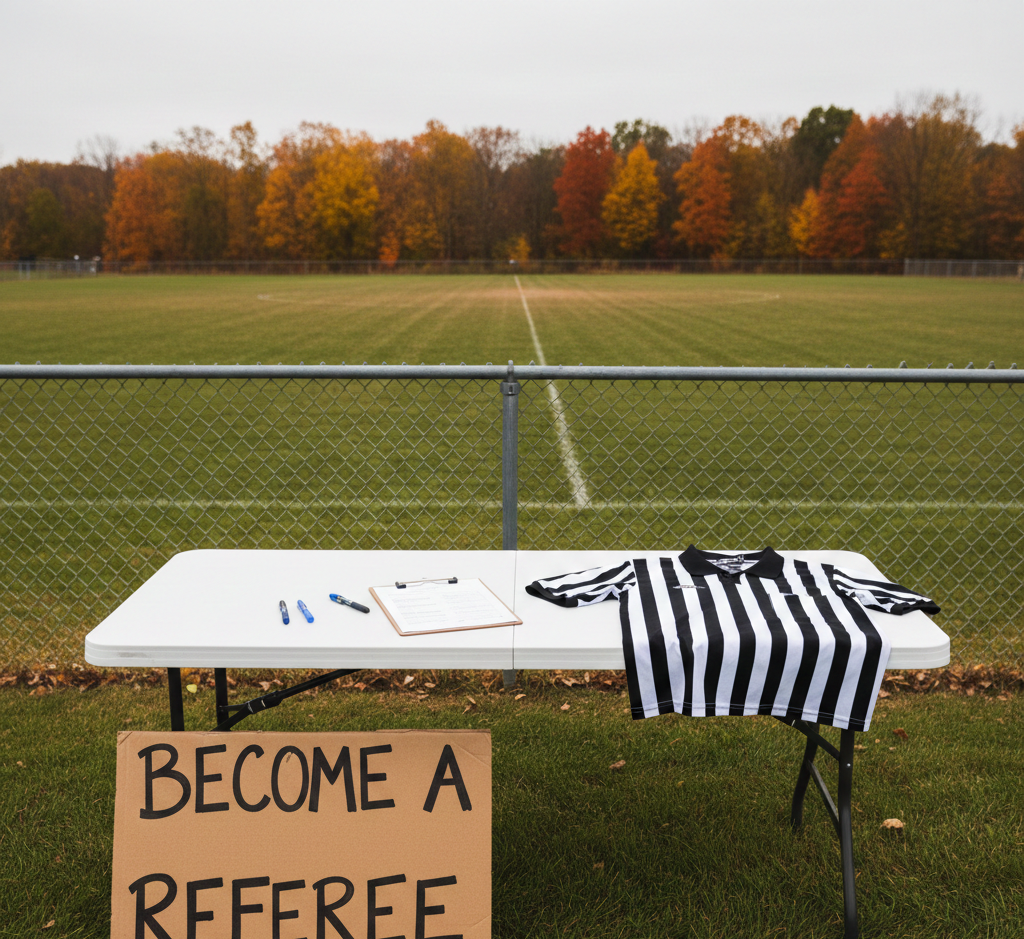
Most coordinators deal with not having enough officials. Approximately 50,000 high school officials have left since the 2018-19 season, and multi-sport organizations notice this shortage the most.
One solution is to create a pool of officials who can work in more than one sport. Many officiating skills, like managing games, handling conflicts, and enforcing rules, apply to different sports. For example, a baseball umpire might not work basketball games, but they could help with softball or kickball in your league.
Create an official database that tracks:
- Certified sports and levels
- Availability patterns (weeknights only, weekends, specific seasons)
- Preferred sports and backup options
- Training completion and renewal dates
- Performance ratings from coaches and supervisors
When you use one system to schedule all leagues, you can see if a basketball official is already working two games on Saturday and avoid giving them a third. This helps you spot officials who can work in more than one sport and helps prevent burnout.
Make sure pay is fair across all sports. If basketball officials get paid more than soccer referees for the same level of games, it will be hard to find enough soccer referees. Set pay rates by certification and age group, not by sport.
Communication Across Multiple Leagues
Poor communication can ruin a multi-sport organization. If the soccer director doesn't know the basketball league changed its tournament date, families can end up double-booked and facilities may go unused.
Set up regular meetings for all sports to coordinate—once a month during the off-season and every week during the busy season. Every sport director should come and share:
- Upcoming schedule changes
- Facility needs or issues
- Official shortages or conflicts
- Major events requiring extra resources
- Registration trends affecting future planning
Set up communication channels that work for all leagues. Parents with kids in three sports shouldn't have to use three different apps, email lists, or websites. Centralized communication makes it easier for families to keep track of schedules and lets you send important updates, like weather cancellations or facility closures, to everyone at once.
Technology That Actually Helps
Spreadsheets and long email threads don't work well when you manage several sports. You need a system that combines scheduling, registration, communication, and resource management in one place.
Look for features specifically valuable in multi-sport settings:
- Unified calendar showing all sports
- Facility booking with conflict detection
- Cross-league official scheduling
- Family accounts managing multiple children in different sports
- Automated conflict alerts when schedules overlap
- Shared equipment and resource tracking
SyncedSport is being built specifically for organizations juggling multiple leagues and shared resources. Instead of maintaining separate systems for each sport, the goal is a single platform where coordinators can see the full picture.
The Benefits of Integration
When you bring multiple sports together under one coordinated system, the benefits go beyond just avoiding scheduling conflicts.
Cost savings: Sharing resources across leagues can help reduce administrative overhead. Centralized registration and payment processing cuts administrative costs.
Better family experience: Families with multi-sport athletes appreciate coordinated schedules that minimize conflicts and simplified registration processes.
Resource optimization: Facilities get used more efficiently when you can see gaps and opportunities across all sports. That empty gym slot between basketball games might be perfect for volleyball practice.
Stronger community: Multi-sport events (tournaments, appreciation nights, official training) build relationships across leagues and create a more unified organizational culture.
Making the Transition
If you currently manage sports separately, moving to integrated administration requires some planning. Begin by sharing one thing, like the calendar or official scheduling, and then build from there.
Encourage sport directors to support integration by showing how it makes their work easier, not more difficult. They still control their own sport but also get tools that help cut down on administrative hassles.
The aim is not to take away each sport's unique identity or needs. Instead, it's about making operations more efficient so every league can focus on what's most important: giving athletes a great experience.
SyncedSport is building unified scheduling, shared resource management, and communication tools designed for complex multi-sport organizations.