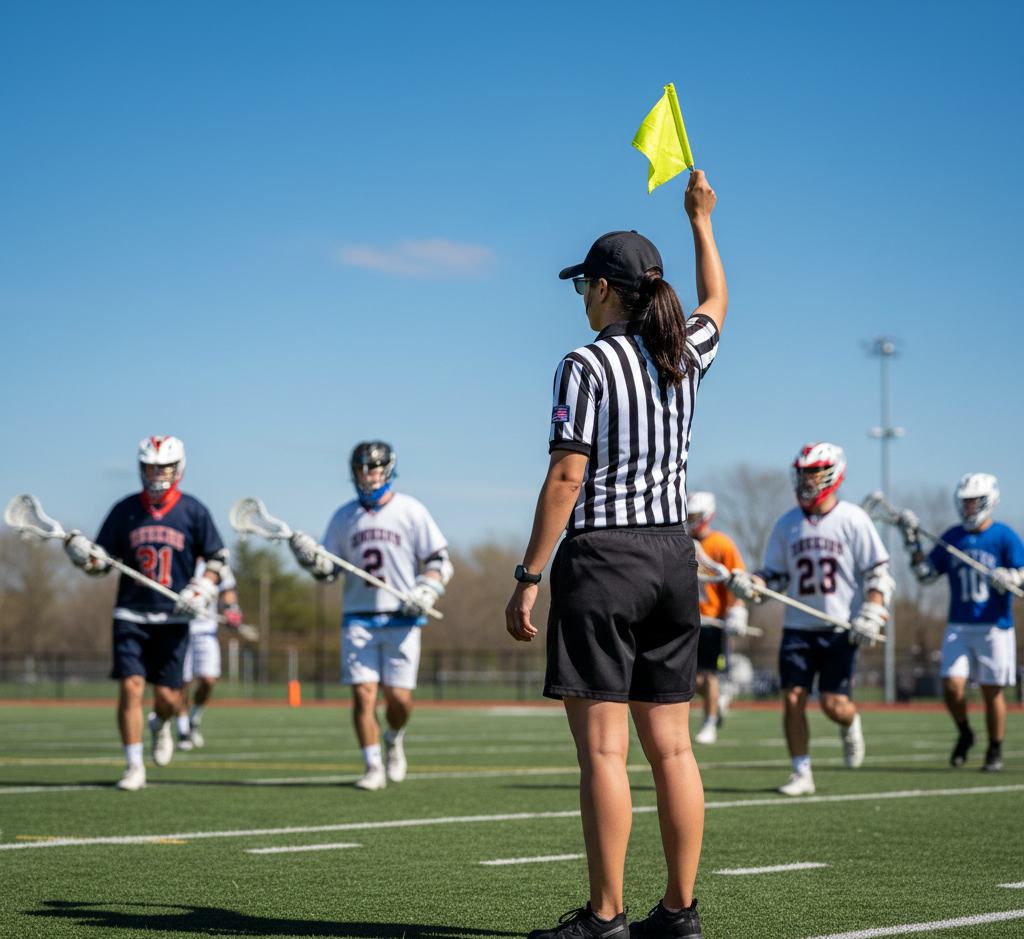
Spring lacrosse season brings a unique set of challenges that can make or break your officiating program. Between managing boys and girls games with distinctly different rule sets, coordinating field versus box lacrosse, and navigating the scheduling crunch that comes with compressed spring timelines, lacrosse coordinator roles demand more than basic scheduling skills.
The Spring Season Crunch: Why Lacrosse Scheduling Is Different
Unlike fall or winter sports that span several months, lacrosse season hits fast and hard. Most programs operate within a 10-14 week window, with conference tournaments adding pressure at the tail end. This compression means there's virtually no margin for error when it comes to official assignments.
Last-minute scheduling changes are common during peak season weeks. Rain delays, field conditions, and the sheer volume of games scheduled in short windows create a perfect storm for coordinators trying to keep every match covered.
The challenge intensifies when you consider that some lacrosse officials may also work other spring sports like baseball or track and field. Your pool of available referees shrinks considerably when everyone's calendar is packed with conflicting assignments.
Boys Lacrosse vs Girls Lacrosse: Two Sports, Different Rules
One of the most critical aspects of lacrosse referee management is understanding that boys and girls lacrosse aren't just variations of the same game—they're fundamentally different sports with distinct officiating requirements.
Boys lacrosse is a full-contact sport requiring officials who understand stick checking, legal body contact, and the nuances of penalties that come with physical play. According to US Lacrosse rules, a standard crew consists of two or three officials depending on the level, and they need to be positioned to see both the physical play and potential slashing or cross-checking violations.
Girls lacrosse, on the other hand, prohibits significant contact. Officials must have a keen eye for legal positioning, checking technique within the sphere, and maintaining the free-space-to-goal principle. The protective equipment differences alone signal how differently these games are played and officiated.
This isn't just a training issue—it's a scheduling one. You can't simply swap officials between boys and girls games without ensuring they're certified and experienced in the specific rule set. Many coordinators maintain separate pools or clearly flag which officials are qualified for which format, but this essentially cuts your available referee pool in half during the busiest weeks of the season.
Field Lacrosse vs Box Lacrosse: The Growing Complexity
While field lacrosse dominates high school and college play in most regions, box lacrosse (played indoors on hockey rinks) is gaining traction, particularly in certain geographic areas and club programs. This adds another layer to referee management.
Box lacrosse uses different field dimensions, allows more physical play than field lacrosse, and operates under modified rules that account for the boards and smaller playing surface. The officiating positioning, game flow, and even the number of officials required can differ significantly.
For coordinators managing both formats, this means:
- Maintaining clarity on which officials are certified for box versus field
- Understanding that an official's availability might depend on indoor facility schedules
- Accounting for travel time between field locations and indoor arenas
- Managing different payment structures if box lacrosse events operate under separate league governance
Practical Strategies for Lacrosse Referee Management
1. Segment Your Official Pool Early
At the start of the season, clearly categorize officials by their certifications and preferences. Create tags or groups for:
- Boys field lacrosse certified
- Girls field lacrosse certified
- Box lacrosse certified
- Dual-certified (boys and girls)
- Experience level (varsity, JV, youth)
This segmentation allows you to quickly filter available officials when making assignments without manually checking credentials each time.
2. Build in Weather Contingencies
Spring weather is notoriously unpredictable. Have a protocol for:
- Rapid communication when games are postponed or moved
- Automatic holds on official availability for makeup dates
- Priority rebooking for officials who lost assignments due to cancellations
Weather-related issues can consume a significant portion of administrative time during lacrosse season, particularly in regions where the sport is most popular like the Northeast and Mid-Atlantic where spring weather variability is high. Having systems in place to handle these changes efficiently protects your sanity and maintains good relationships with your official pool.
3. Respect the Boys/Girls Split
Don't assume officials want to work both. Some referees deliberately specialize in one format because they prefer the rule set or have stronger credentials in one area. Respecting these preferences leads to better game management and higher official satisfaction.
When you do have dual-certified officials, recognize them as your most valuable assets during scheduling conflicts. These officials can fill gaps in either program, making them essential for last-minute coverage.
4. Plan for Tournament Intensity
End-of-season tournaments often require multiple games per day at the same venue. This creates opportunities for efficient official scheduling—an official can work multiple games without travel—but also raises fatigue concerns.
For day-long events, consider:
- Rotating officials between games rather than having the same crew work consecutively
- Providing adequate rest periods (at least one game off between assignments)
- Having backup officials on standby for afternoon/evening games
- Clear communication about expected time commitments upfront
Technology Solutions for Complex Scheduling
Managing the intricacies of lacrosse official scheduling manually—with spreadsheets or group texts—becomes unsustainable once you're coordinating more than a handful of games weekly. Modern platforms designed for sports scheduling can handle the complexity by allowing you to set certification requirements, track availability across different formats, and automatically filter qualified officials for each assignment.
A good scheduling platform lets coordinators tag officials with specific certifications and automatically ensures that only qualified referees appear in assignment options for boys versus girls games. This eliminates the risk of accidentally assigning an official to a game they're not certified to work.
The Human Element Still Matters
While systems and technology help manage the logistics, successful lacrosse referee management ultimately depends on relationships. Your officials are working compressed schedules, often juggling multiple sports and personal commitments during spring.
Regular communication, fair assignment distribution, and recognition of officials who consistently show up—especially for challenging assignments like weeknight games or distant locations—builds loyalty. With approximately 50,000 high school officials having left since the 2018-19 season, retaining experienced officials year-over-year is just as important as recruiting new ones.
Moving Forward with Confidence
Lacrosse referee management doesn't have to be overwhelming, even with the sport's unique complexity. By understanding the fundamental differences between boys and girls lacrosse, planning for spring's compressed timeline, and implementing systems that respect official certifications and preferences, coordinators can run smooth seasons that serve athletes, coaches, and referees well.
SyncedSport is building tools for certification tracking, weather contingencies, and automated official assignments to simplify your lacrosse season coordination.