Youth sports are facing a serious referee shortage. According to NASO data, the majority of new officials quit within their first few years. The NFHS reports that approximately 50,000 high school officials have left since the 2018-19 season, with many regions reporting significant declines in officials.
If you're a league coordinator preparing for fall sports, you're probably already feeling the pressure. Games without officials, last-minute scrambles for coverage, and burned-out veteran referees handling too many assignments have become the norm rather than the exception.
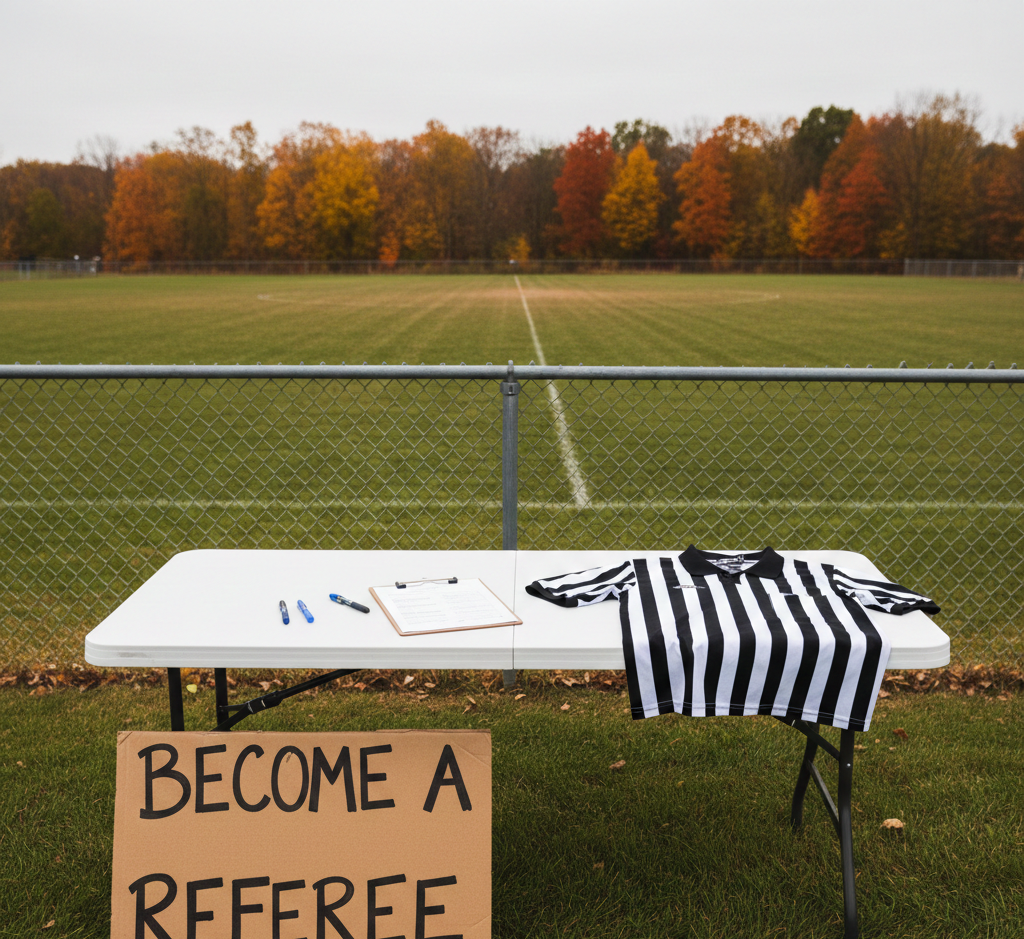
There are proven ways to recruit referees. By focusing on three main areas—recruitment, structured onboarding, and retention—you can create a strong official program that supports your league for years.
Understanding the Referee Shortage
Before looking at solutions, it helps to understand why this shortage exists. The problem is more than just a lack of interest in refereeing.
Increased Abuse from Sidelines
This is the top reason officials leave. When parents and coaches yell at referees, especially those who are young or new, it creates a hostile environment. The 2023 NASO National Officiating Survey found that more than 50% of officials have feared for their safety due to spectator behavior, and data shows that sportsmanship issues are consistently cited as the top reason officials stop officiating.
Limited Financial Incentive
Youth sports referees are not paid enough to make up for the stress and time involved. Game fees vary significantly by region, but most youth referees earn $25-50 per game depending on sport and region. This is decent extra income, but not enough to put up with harassment.
Poor Onboarding Experiences
Many new referees get little training before they start working games. Without good mentorship and support, they make mistakes, get criticized, and often quit before they gain confidence.
Time Commitment Challenges
Officiating takes a lot of time, with certification courses, ongoing training, and game assignments. People who have full-time jobs and families often find it hard to fit officiating into their schedules.
Lack of Recognition and Appreciation
Referees are rarely thanked when games go well, but they are often blamed right away for any controversial calls. This constant negative feedback pushes people to leave.
Knowing these main reasons helps you create better ways to recruit and keep referees.
Effective Referee Recruitment: Finding the Right People
To recruit successfully, start by figuring out who would make a good referee and where to find them.
Target Audiences Worth Pursuing:
-
Former Athletes High school and college athletes who can no longer play often miss being part of sports. They know the games, enjoy competition, and are usually fit enough to referee. Ask local high school coaches about recent graduates who want to stay involved.
-
Parents of Athletes Parents are already at games. Some may like being more involved and earning extra money. It's important to present refereeing as a positive way to participate, not just as a last resort.
-
College Students Refereeing offers flexible hours and often pays better than most college jobs. Work with local universities to recruit students in sports management, education, or kinesiology. Many schools have officiating courses that can lead students into your program.
-
Retired Professionals People in their 50s and 60s who have time, maturity, and life experience often make great referees. They are less likely to be bothered by aggressive parents and usually stay with the job longer.
-
Current Officials from Other Sports Someone already officiating baseball might be interested in adding basketball during winter. Cross-sport recruiting leverages people who already understand officiating culture.
Recruitment Channels That Work:
- Social Media Campaigns: Share positive stories about current referees, highlight earning potential, and emphasize community contribution. Video testimonials from happy officials are particularly effective.
- League Communications: Add recruitment messages to newsletters for coaches and parents. The best new referees often come from people already involved in your league.
- High School and College Partnerships: Set up formal partnerships with schools to create a steady flow of new referees. Some leagues offer scholarships so student referees can earn money for college.
- Community Events: Set up booths at local sports events, health fairs, and community gatherings. Talking to people in person works better than just using online ads, and associations that actively engage at community sporting events can see meaningful recruitment results.
- Referral Bonuses: Give current referees rewards for bringing in friends and family. Recommendations from people you trust are very effective.
How to Create Messaging That Connects
Rather than starting with "we desperately need referees," focus on highlighting these points:
- Earning potential and flexible scheduling
- Staying involved in sports you love
- Contributing to youth development in your community
- Physical activity and fitness benefits
- Building confidence and decision-making skills
- Meeting new people with shared interests
Present officiating as a rewarding opportunity, not as a difficult task you need help with.
Helping New Officials Succeed from the Start
Recruiting new officials is only the first step. A strong onboarding process helps them stay and become valuable members, instead of leaving soon after joining.
Organized Training Programs
In addition to the required certification courses, offer training tailored to your league that covers:
- Sport-specific rules review with scenario-based learning
- Positioning and mechanics demonstrations
- Game management and communication techniques
- Conflict de-escalation strategies for dealing with difficult coaches and parents
- Equipment requirements and uniform standards
Have experienced officials lead the training, so new referees can start building mentorships right away.
Step-by-Step Assignment System
Avoid putting new officials in the toughest games right away. Instead, let them progress through these steps:
- Observation: New officials watch experienced crews work games, noting positioning and decision-making
- Lower-Level Games: Start with younger age groups where games are less intense
- Mentored Assignments: Pair new officials with veterans who can provide real-time guidance
- Independent Games: After demonstrating competence, assign games independently
- Advanced Games: Gradually increase game complexity as skills develop
This step-by-step approach helps new officials gain both confidence and skills. Progressive assignment systems give new officials time to develop before facing high-pressure situations, which can help reduce first-year dropout rates.
Support Before the First Game
Before their first official assignment, new referees often feel anxious about logistics:
- Where do I park?
- When should I arrive?
- Where do I check in?
- What do I do if there's a problem?
Make sure new officials get clear documentation that answers their questions. Even better, pair them with a veteran official who can meet them at the field and guide them through their first game.
Post-Game Feedback
Give new officials chances to ask questions and get helpful feedback after games. Some ways to do this include:
- Brief phone calls from coordinators checking in
- Online forums where officials discuss challenging situations
- Monthly meetings where crews review game scenarios together
- One-on-one mentorship conversations
Feedback should help officials grow, not punish them. The focus is on improvement, not criticism.
Retention Tactics: Keeping Officials Long-Term
It takes a lot of time and money to recruit and train new officials. Keeping the ones you have is much more cost-effective than always looking for new people.
Zero-Tolerance Policies for Abuse
This is essential. To keep your officials, you have to protect them from abuse. Put these measures in place and make sure they are followed:
- Clear codes of conduct for coaches, parents, and spectators
- Immediate ejection for abusive behavior
- Mandatory cooling-off periods for ejected individuals
- Suspension policies for repeat offenders
- Public statements supporting officials
Officials are much more likely to stay when they know you will protect them. Leagues that prioritize and strictly enforce respect policies create an environment where officials feel valued and are more likely to return season after season.
Fair Assignment Distribution
Officials get frustrated when they think assignments are not fair. Use clear and open systems that:
- Distribute games equitably across the official pool
- Match official experience levels with appropriate game difficulties
- Honor availability preferences when possible
- Provide clear pathways to higher-level assignments based on performance
Tools like SyncedSport help coordinators assign games fairly. These platforms use automated systems that consider many factors and keep the process transparent.
Timely and Accurate Payment
Late or incorrect payments are a big source of frustration. As a best practice, officials should be paid within 7 to 10 days after working games, with a clear breakdown of the fees they earned.
Automated payment systems help avoid mistakes and delays. When officials know they will be paid correctly and on time, they are more likely to stay committed.
Recognition and Appreciation
Small gestures make a big difference, such as:
- Thank-you emails after tournament weekends
- End-of-season appreciation events
- Awards for officials who demonstrate excellence
- Public recognition in league communications
- Referee-of-the-month programs highlighting outstanding work
Officials who feel valued stick around. Those who feel invisible or taken for granted leave.
Professional Development Opportunities
Officials who want to grow and advance need support. You can help them by:
- Covering costs for advanced certification courses
- Creating evaluation programs with actionable feedback
- Providing film review sessions to analyze positioning and calls
- Nominating qualified officials for district and state opportunities
- Hosting clinics with college or professional officials
When officials see a clear path to develop, they are more likely to see officiating as a long-term commitment instead of just a short-term job.
Community Building
Officiating can feel lonely. Build a sense of community among your officials by:
- Group messaging channels for coordination and camaraderie
- Pre-season meetings where officials connect
- Social events beyond game assignments
- Mentorship programs pairing veterans with newcomers
- Recognition of milestone achievements (100th game, 10-year anniversary, etc.)
Officials are much less likely to quit if they have friends in the program.
Building Sustainable Programs
Leagues that are doing well despite the referee shortage succeed because they focus on all three areas: recruitment, onboarding, and retention.
Start Early
Start recruiting earlier than just a couple of weeks before the season. Recruiting all year leads to better results. For fall sports, begin in late spring so you have enough time for training.
Measure What Matters
Track key metrics:
- Number of new officials recruited each season
- First-year retention rates
- Overall official pool growth/decline
- Average assignments per official (to prevent burnout)
- Time from recruitment to first game assignment
Tracking this data shows you what's working and what you might need to change.
Invest Resources
Set aside part of your budget for developing officials. Paying for training, hosting appreciation events, or improving technology all help make your program more stable.
Collaborate Regionally
No league can solve the referee shortage by itself. Work with nearby organizations to:
- Share training resources and certification courses
- Create combined official pools for smaller sports
- Develop consistent standards and game fees
- Advocate collectively for better official treatment
Working together with other leagues increases the number of available officials for everyone.
The Path Forward
The referee shortage won't be fixed right away, but every official you recruit, train, and keep makes your league stronger. Focus on giving officials good experiences so they want to come back each season.
Leagues that do well in the future will be the ones that treat officials as valued partners in youth sports, not just as people filling spots.
Learn how SyncedSport helps with referee recruitment and retention by making onboarding easier, assigning games fairly, automating payments, and offering tools that help officials connect and feel satisfied.