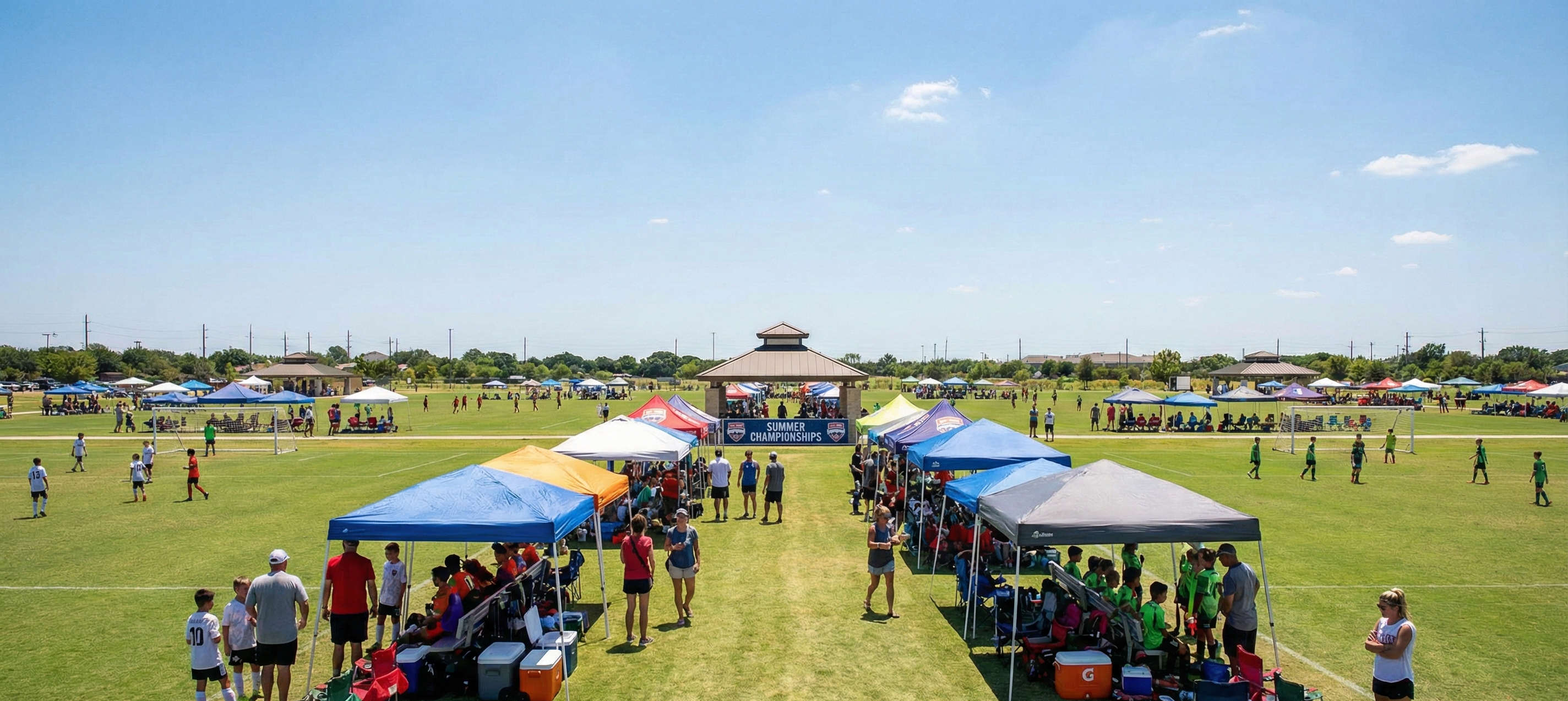
Summer tournaments are often the most anticipated part of the youth sports season. They bring excitement for players, help families connect, and can raise money for your league. But organizing them can be very challenging.
There are many details to manage, like booking venues, setting up brackets, coordinating referees, organizing concessions, and planning for bad weather. If you miss something, you might end up stressed on tournament day instead of enjoying the games.
This checklist will help you plan your tournament so everything runs smoothly, from the first game to the final trophy presentation.
Starting 3-4 Months Out: The Foundation
Successful tournaments take months to plan. If you wait until six weeks before the event to start, you might miss important deadlines and end up paying higher prices.
Establish Your Tournament Vision
Before diving into logistics, answer these fundamental questions:
- What's your tournament's purpose? (Competition, fundraiser, season celebration, recruiting showcase)
- How many teams will participate?
- What age divisions will you include?
- Will it be one day or multiple days?
- Is this a local tournament or will you attract traveling teams?
- What's your budget and revenue goals?
These choices affect every part of your planning. For example, a one-day local tournament is very different from a three-day event that brings in teams from other states.
Secure Your Venue
Securing a venue is one of the first and most important steps. Good sports facilities fill up quickly, especially on summer weekends.
When evaluating venues:
- Do they have enough fields for your tournament format?
- Is there adequate parking for multiple teams and spectators?
- Are there restrooms and shade structures?
- What's the backup plan if weather makes fields unplayable?
- Can you access fields for setup the day before?
- What are the rental costs and what's included?
City fields usually cost less but might have more rules or fewer features. Private sports complexes are more expensive, but they often offer better facilities and more options.
Make sure you have a written contract for your venue. It should list the exact fields, times, costs, cancellation rules, and what will happen if weather causes changes.
Set Your Tournament Date
Check for conflicts before committing to a date:
- Other tournaments in your region that target the same age groups
- Major holidays or local events
- School schedules and vacation patterns
- Historical weather patterns
Generally, early summer (late May to mid-June) and late summer (mid-August) are popular times for youth tournaments. Mid-summer can be tough because many families go on vacation.
If you can, set a backup date in case of rain, though this can be hard with busy venues. At the very least, have a plan for bad weather so you can still finish the tournament if you lose some time.
6-8 Weeks Out: Registration and Brackets
Once you have your venue, start team registration. At this stage, your planning checklist is essential because you'll be handling many tasks at once.
Structure Your Registration
Decide on your registration fee structure. Consider:
- Base team registration fee
- Multi-team discounts if a club is bringing several teams
- Early bird pricing to encourage prompt registration
- What's included (tournament t-shirts, trophies, meals, etc.)
Your registration system should collect:
- Team name and club affiliation
- Coach contact information
- Division/age group
- Player roster with ages (for verification)
- Proof of insurance
- Medical release forms
- Payment
Set firm deadlines and stick to them. Late registrations make it much harder to create brackets and plan. If you do allow late teams, consider charging extra.
Plan Your Bracket Format
Bracket structure depends on how many teams register in each division. Common formats:
Single Elimination: Most time-efficient. Teams play until they lose. Works well when you have many teams and limited fields.
Double Elimination: More forgiving and gives teams more games. Requires more time and fields. Popular for competitive tournaments.
Pool Play into Bracket: Teams play several pool games, then top finishers advance to elimination bracket. Ensures every team plays multiple games regardless of skill level. This format is most complex to schedule but provides the best experience.
Round Robin: Everyone plays everyone. Only works with small divisions (4-6 teams) as game count explodes quickly.
Figure out how many fields and hours you'll need for each format before you decide. For example, a double elimination tournament with 16 teams needs about 30-31 games. If each game takes 75 minutes, that's 37.5 hours of field time. Plan for this.
Use bracket software or planning tools to make schedules automatically. Doing it by hand takes a lot of time and can lead to mistakes.
3-4 Weeks Out: Operations Planning
Once registration is closed or almost finished and you know your team count, it's time to focus on operations.
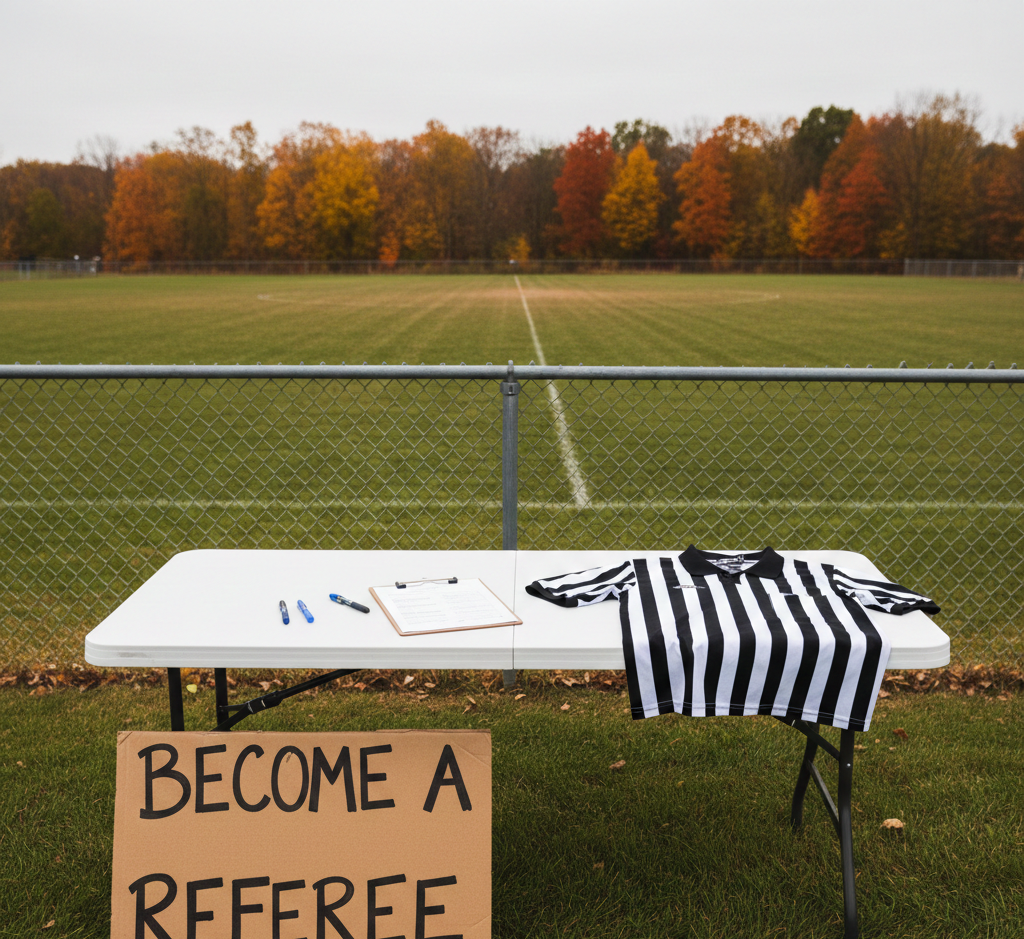
Referee and Umpire Coordination
Getting enough officials is a major challenge in youth sports. According to the 2023 National Officiating Survey by the National Association of Sports Officials, 79% of the more than 35,000 officials surveyed reported taking on more assignments due to the shortage of officials. This shortage significantly impacts tournament planning.
Begin looking for referees early and be ready to offer competitive pay. Most youth sports tournaments pay $30 to $50 per game depending on sport and region, and experienced officials may earn more.
Figure out the exact number of referees you need. For example, if you have three fields running at the same time with 90-minute games, you may need three to six referees, depending on your sport.
Make sure you have backup officials ready. Referees can get sick, have car issues, or face emergencies. Arrange for one or two backups who can fill in if needed.
Prepare a clear schedule that shows which referee is assigned to each field and game time. Share this ahead of time so referees can plan their day.
Think about how you can make referees feel welcome. Offering water, snacks, and a shaded break area shows you appreciate them and makes them more likely to return next year.
Volunteer Coordination
You'll need many volunteers in addition to coaches for your tournament. Here are some key roles:
- Check-in table staff
- Field setup crew
- Scorekeepers and timers
- Concession stand workers
- Parking coordinators
- Equipment managers
- First aid personnel
- Cleanup crew
Write clear descriptions for each volunteer role, including how much time is needed. Some people can help all day, while others may only be available for two or three hours.
Many tournaments ask each team to provide one or two volunteers. Include this in your registration process and keep careful track of volunteer assignments.
As a best practice, set up volunteer shifts thoughtfully. Six-hour shifts are tiring, but three-hour shifts help volunteers stay energized and make it easier to find people willing to help.
Equipment and Supplies
Make a complete list of everything you'll need for the tournament:
Field Equipment:
- Goals, nets, bases (if not provided by venue)
- Boundary markers, cones, flags
- Field lining equipment and paint
- Scoreboards
- Benches or team tent areas
Administrative:
- Check-in tables and chairs
- Laptop or tablets for check-in
- Printed schedules and brackets
- Team folders with tournament information
- First aid kits
- Radios or communication devices for coordinators
Awards:
- Trophies or medals
- Certificates
- Championship t-shirts or hats
Hospitality:
- Water coolers and cups
- Snacks for volunteers
- Referee refreshments
Emergency:
- AED device (check if venue provides)
- Ice packs and first aid supplies
- Emergency contact lists
- Weather monitoring tools
Order trophies and custom items as early as possible. Rush orders are much more expensive.
1-2 Weeks Out: Final Details
You're almost done. Now, focus on communicating with everyone and confirming the final details.
Team Communications
Send each team a complete tournament packet that includes:
- Schedule with all game times
- Field locations and venue map
- Parking information and any parking fees
- Check-in time and location
- Roster verification process
- Rules and format
- Award ceremony timing
- Weather policy and how updates will be communicated
- Concession options or outside food policy
- What to bring (chairs, tents, etc.)
- Emergency contacts
Share this information by email and also as a downloadable PDF on your tournament website.
Confirm All Vendors and Partners
Make sure you confirm with the following people and vendors:
- Venue contact
- Referees
- Concession vendors, if you are using outside companies
- Trophy/award supplier
- Equipment rental companies
- EMT or first aid service, if you have hired one
A quick confirmation call or email prevents day-of surprises.
Weather Monitoring
Keep a close eye on the weather forecast. Most weather apps show hourly updates for the next 7 to 10 days.
If it looks like there might be bad weather, make sure you have a plan for how you will communicate with everyone:
- How will you notify teams of delays or cancellations?
- What's your rain delay policy?
- At what point do you cancel entirely versus reschedule?
- Can you shift to indoor facilities if available?
Weather decisions are hard because you're balancing safety, fairness, and practicality. Communicate your decision-making process in advance so teams understand your choices.
Create a Tournament Day Timeline
Plan out the full schedule for the event:
- 6:00 AM: Setup crew arrives
- 7:00 AM: Check-in tables open
- 7:30 AM: Referee briefing
- 8:00 AM: First games start
- 12:00 PM: Pool play concludes
- 12:30 PM: Bracket games begin
- 4:00 PM: Championship games
- 5:30 PM: Awards ceremony
- 6:00 PM: Cleanup begins
Share this schedule with your volunteers so everyone knows when they need to be ready.
Tournament Day: Execution
Today is when all your planning pays off. Keep things organized and be ready to adapt as needed.
Arrive Early
Arrive at the venue at least 90 minutes before the first game starts. This will give you enough time to:
- Set up check-in areas
- Verify field conditions
- Handle last-minute issues
- Brief volunteers and referees
- Test any technology or equipment
Check-In Process
Set up a smooth check-in process:
- Team verification against the registration list
- Roster check and age verification
- Collect any outstanding paperwork
- Distribute tournament t-shirts or materials
- Review schedule and rules
- Answer questions
Set up at least two check-in stations to help avoid long lines when most people arrive.
Central Command
Choose a spot to serve as tournament headquarters where you or another coordinator will always be available. This could be a tent, a table, or another clear location.
Teams, referees, and volunteers should know where to go if they have questions, problems, or emergencies. Make sure everyone knows how to find the tournament leaders.
Communication Systems
Use radios or a group messaging app to keep coordinators and field supervisors in touch. If you need to share a delay, clarify a rule, or handle an emergency, you won't have to search for people.
Flexibility and Problem-Solving
Expect some things to go wrong. Sometimes a referee won't show up, a game will run late, teams will arrive behind schedule, or weather will cause delays.
Stay calm and look for solutions instead of blaming anyone. Your attitude influences everyone at the event.
Weather Contingencies
Weather is often the most unpredictable part of tournament planning. Make sure you have clear protocols in place:
Lightning: Safety comes first. The National Weather Service recommends seeking shelter at the first sound of thunder. The NCAA recommends evacuation when lightning is detected within 8 miles. In all cases, wait 30 minutes after the last lightning strike before resuming play.
Heavy Rain: If the fields are unsafe or unplayable, delay the games. Keep an eye on the weather and send updates every 30 to 60 minutes.
Extreme Heat: According to NFHS heat safety guidelines and the CDC's heat and athletes guidance, schedule mandatory water breaks, consider shortening games, or adjust start times earlier or later if you can. Organizations should monitor Wet Bulb Globe Temperature (WBGT) when possible and follow established activity modification protocols to prevent heat-related illness.
Tournament Completion Strategies:
- If you lose one or two hours, consider shortening the games.
- If you lose half a day, you may need to change the brackets so there are fewer games to decide the winners.
- If weather cancels the whole day, decide if you will refund fees or reschedule the event.
Share your decisions clearly and as soon as you can. Teams know weather is unpredictable, but they value honest updates about your plans.
Post-Tournament Follow-Up
Your work continues even after the last trophy is handed out.
Cleanup and Breakdown
Leave the venue as good or better than you found it. Thank volunteers who stay to help with cleanup.
Return all rented equipment on time to avoid late fees.
Financial Reconciliation
Add up the final tournament finances:
- Registration revenue
- Concession sales
- Sponsorship income
- Venue costs
- Referee payments
- Equipment and supply costs
- Awards expense
Keep records of everything for your league and to help plan next year's tournament.
Thank You Communications
Send thank you notes to:
- Participating teams
- Volunteers
- Referees
- Sponsors
- Venue staff
Share highlights, photos, and results from the tournament. Doing this helps build goodwill for future events.
Debrief and Document
While the details are still fresh, write down what went well and what could be improved:
- Were field allocations sufficient?
- Did the bracket format work well?
- Were there enough volunteers?
- What timing issues arose?
- What would you do differently?
Save this tournament planning checklist for next year. You'll be glad you did when planning the next event.
Using Technology to Simplify Tournament Management
Planning a tournament means handling hundreds of details over several weeks or months. Spreadsheets and paper lists are fine for small events, but they can be overwhelming for bigger tournaments.
Tournament management software puts everything in one place—registration, brackets, schedule updates, referee assignments, and team messages. If a game runs late, you can update the schedule right away and let teams know automatically.
SyncedSport's planning tools help with bracket creation, automatic schedules, team messages, and live updates. This lets coordinators spend less time on paperwork and more time making sure the event goes well.
Creating Memorable Tournament Experiences
The best tournaments are not just well-organized—they're memorable. Go beyond logistics and create special moments like these:
- Professional announcements for championship games
- Music and atmosphere
- Photo opportunities with trophies
- Special recognition for sportsmanship or outstanding play
- Vendor booths or sponsor activities
Players remember their tournament experiences for years. Your good organization helps make those memories possible.
Are you ready to plan a tournament that runs smoothly? Check out how SyncedSport's checklist and management tools can help you organize every detail, from registration to the championship game.