Most youth sports coordinators will tell you that managing coaches is one of their biggest challenges. Every team needs enough qualified coaches, but many leagues find it increasingly challenging to find volunteers. Once you have them, there's still a lot to handle: background checks, certifications, training, communication, and organizing practice fields for many teams.
If just one coach is disorganized, it can affect the whole team's season. When this happens across many teams, things can quickly become chaotic. Here are some steps to create a coach management system that keeps everyone organized, responsible, and focused on the kids.
Recruiting Quality Coaches
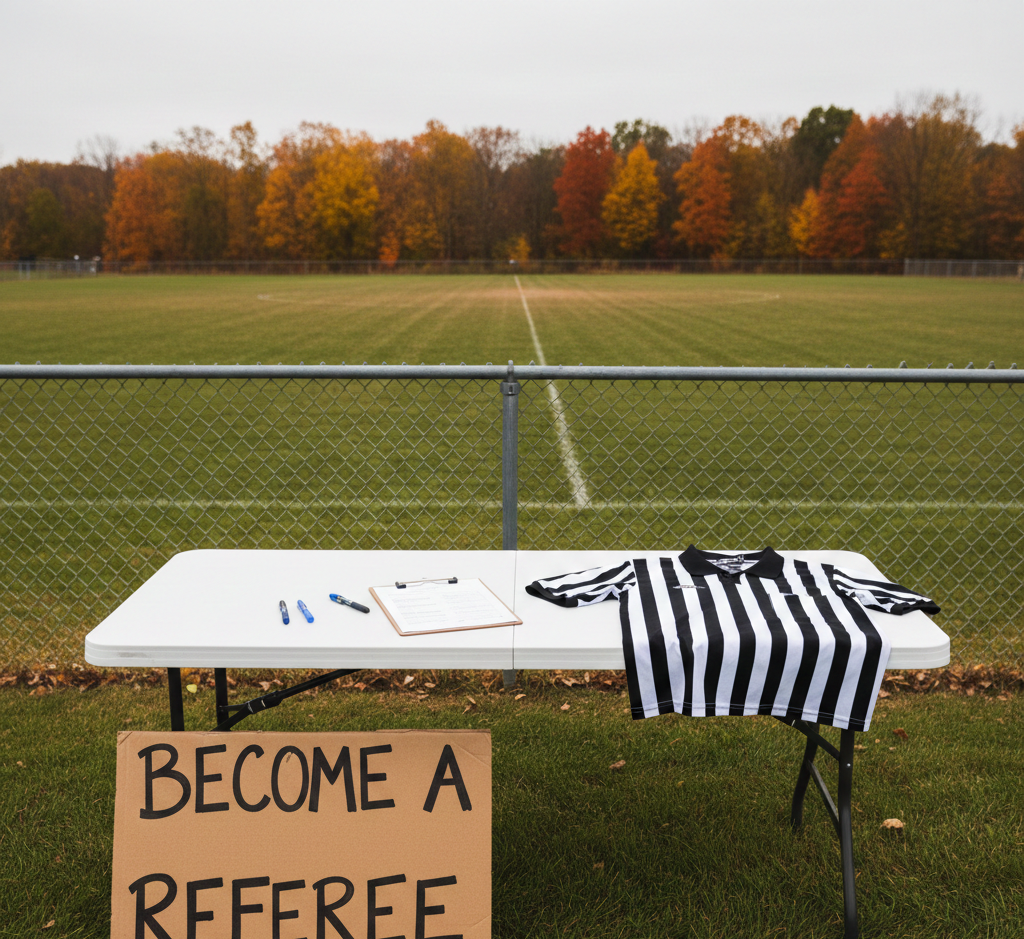
You can't manage coaches until you have them. Usually, leagues send out urgent emails to parents asking for volunteers, but this approach rarely works well. It often means accepting anyone who is willing, no matter their experience or personality.
Begin recruiting coaches when families register. Add questions to your registration form about coaching interest, past experience, preferred age groups, and availability. Let people know that experience isn't required, but you'd like to know more about their background.
Many parents want to be involved but are intimidated by the role of head coach. Offer assistant coaching positions as a lower-pressure entry point. Assistant coaches help at practices, manage equipment, and learn from experienced head coaches. This creates a pipeline of future head coaches.
Be upfront about what's expected. Many issues come from unclear expectations. Tell coaches about the time commitment, like practices twice a week, weekend games, and planning time. Also, explain how long the season lasts and any required meetings or training.
Think about offering incentives for coaching. Some leagues lower or waive registration fees for families who coach. Others give small stipends for more competitive teams. Even a $50-100 discount or stipend shows you value their time and effort.
Conducting Background Checks
This isn't optional. Every adult working with children needs a background check, period. Many jurisdictions require background checks for anyone working with minors, your insurance policy likely requires it, and parents expect it.
Background check requirements vary by state, but most youth sports organizations use:
- Criminal background checks (state and federal)
- Sex offender registry checks
- Child abuse registry checks (where available)
Choose a trusted background check service that works with youth sports. These typically cost $10-30 per person and typically take 24-72 hours to complete, though costs and processing times can vary based on the depth of screening required. Some services can finish faster for an extra fee.
Begin background checks as early as possible. It's frustrating to have a coach ready to help but unable to start because their check isn't done. Start the process as soon as someone volunteers, not at the beginning of the season.
Have a clear policy on what disqualifies someone from coaching. Anyone with a conviction for violence, offenses involving children, or sexual crimes should not be allowed to coach. Other convictions may need to be reviewed by your board. Write down your policy and use it the same way for everyone.
Keep track of when background checks expire. They are usually good for one to two years, depending on the organization's policy. Use coach management tools to remind you when renewals are needed so no one's clearance runs out during the season.
If someone doesn't pass the background check, be ready for a difficult conversation. Let them know your policy has no exceptions. Offer other ways they can help, such as working at the concession stand or helping with field maintenance, where they won't have direct contact with children.
Managing Certifications and Training
Coaches also need training, not just background checks. Even those with experience can benefit from updates on age-appropriate methods, safety rules, and league guidelines.
Many youth sports organizations now require certifications like:
- SafeSport training (abuse prevention)
- First Aid and CPR
- Concussion recognition training
- Sport-specific coaching clinics
Decide which trainings are required and which are optional. At the very least, make SafeSport and concussion training mandatory. SafeSport Core training takes about 90 minutes, and CDC HEADS UP concussion training takes about 30 minutes. Both are available online.
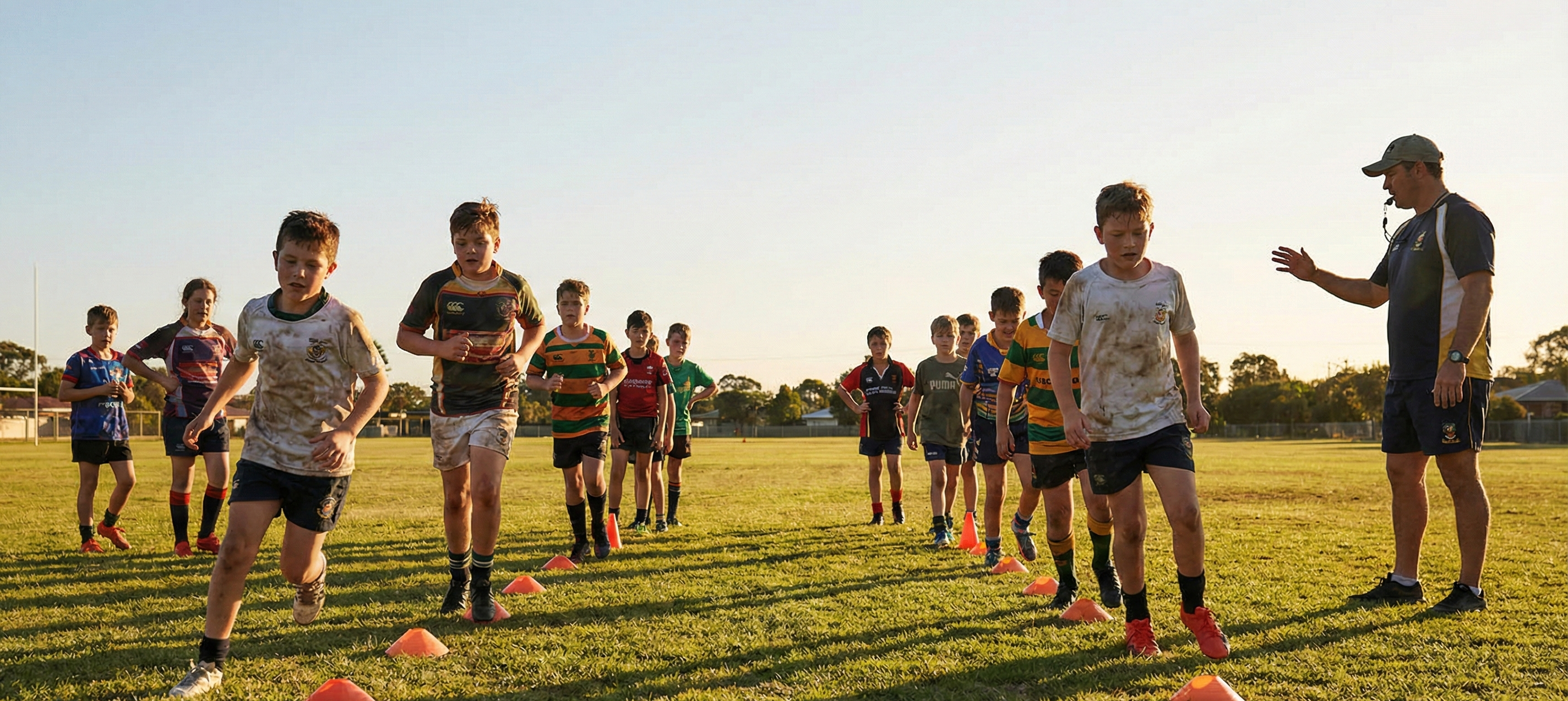
For training specific to your sport, think about holding your own coaching clinic before the season starts. Invite experienced coaches to show drills, explain rules, and answer questions. This helps coaches connect and makes sure everyone understands your league's approach and expectations.
Keep all certifications in one place. You should be able to quickly see which coaches have finished their training and who still needs reminders. Automated reminders can help you avoid chasing down incomplete requirements.
Some coaches may see training as unnecessary paperwork. Try to show them that training helps them become better coaches and protects both them and the league. Most coaches are glad for the support once they finish the training.
Create a coaching handbook that covers:
- League rules and philosophy
- Practice and game schedules
- Field locations and setup procedures
- Equipment distribution and return
- Emergency protocols
- Communication expectations
- Conflict resolution procedures
Update the handbook every year and make sure it's easy to find. New coaches shouldn't need to email you for answers that are already in the handbook.
Facilitating Coach-to-Coach Communication
Coaches need to talk to each other, especially when they share practice fields or plan for tournaments. Set up communication channels just for coaches, separate from those used for parents.
Many leagues use group messaging apps so coaches can ask quick questions and get fast answers without filling up everyone's email. Keep these groups focused and professional.
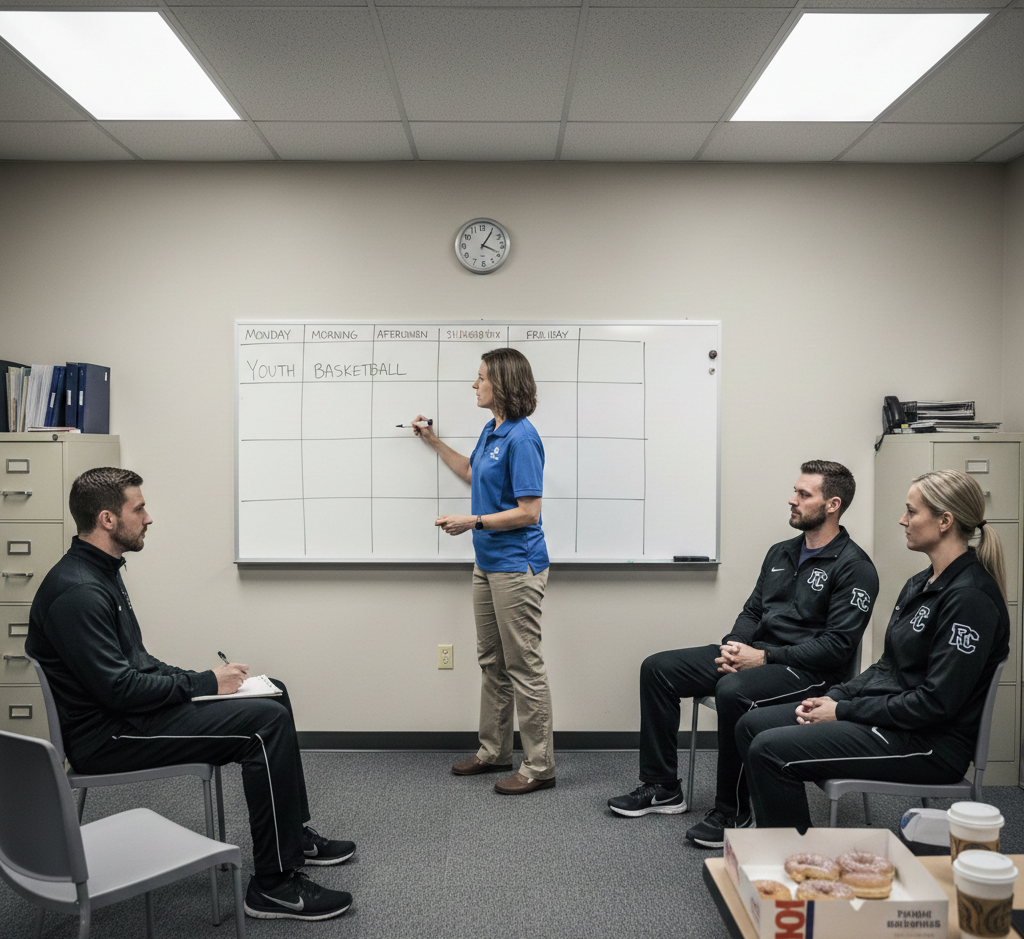
Hold regular coach meetings, but keep them brief and useful. A 30-minute check-in each month during the season lets coaches talk about challenges, ask questions, and get to know each other. Virtual meetings work well for this.
Set up a shared calendar with all practices and games for the league. This helps avoid scheduling conflicts and lets coaches coordinate field use. If several teams practice at the same place, they can plan to arrive early or stay late to share equipment or advice.
Promote mentorship between coaches. Match new coaches with experienced ones. The veteran coach gets help or a friendly face, and the new coach gets support. Many of your best future head coaches will come from these mentoring relationships.
Allocating Practice Fields and Times
Assigning practice fields is a common source of complaints from coaches. Everyone wants the best time slots, but there just aren't enough evening and weekend spots for all teams.
Begin by asking coaches when they are available. Some can do weekday afternoons, while others need evenings or weekends. Knowing this ahead of time helps you assign fields more fairly.
Create a fair allocation system. Options include:
- Rotating schedule where teams get different time slots each week
- Fixed assignments based on division (older kids get later times)
- First-come-first-served selection process
- Random lottery for prime slots
No matter which system you use, explain it clearly and stick to it. If people think there's favoritism, it can quickly hurt the league's morale.
Allow for some flexibility. Coaches may need to swap practice times if conflicts come up. Make it simple for them to arrange trades, but ask them to let you know so you can update the main schedule and avoid double-booking.
Try having two younger teams share a field, with each team using one half. This way, you can fit more practices in and give coaches a chance to work together on drills.
Use coach management tools to streamline this entire process. Modern platforms allow coaches to view available field times, request changes, and see the full practice schedule without bothering you for updates.
Setting Communication Expectations
Communication issues with coaches usually fall into two groups: too much or too little. Some coaches send parents too many emails about small things, while others don't communicate enough, leaving parents unsure about practice times.
Make sure to set clear rules for how coaches should communicate:
Weekly Updates: Ask coaches to send a short weekly email with the practice and game schedule, what players need to bring, and any important news.
Practice Changes: If a practice is canceled or the time changes, coaches should let parents know at least 24 hours ahead when possible. For last-minute changes, send a text as a backup.
Game Day Information: Coaches should send out game details—like location, time, and when to arrive—at least two days before each game.
Response Time: Coaches should reply to parent emails within 24 to 48 hours during the season.
Give coaches ready-made email templates. Many coaches find it hard to write emails, not because they don't care, but because they're not sure what to say. Templates for things like first emails, practice reminders, or weather cancellations make it much easier for them.
Set clear boundaries for when coaches should respond to messages. Coaches shouldn't feel they have to answer parent texts late at night. Make it clear that non-urgent messages will be answered during normal hours.
Handling Coach Performance Issues
Not every coach will be the right fit. Sometimes a volunteer means well but doesn't have the right temperament or organizational skills. How you handle these situations shapes your league's culture.
Handle small problems quickly and in private. If a coach is often late, talk to them one-on-one and see if there's something you can do to help. Maybe moving practice 15 minutes later would fit their work schedule better.
For bigger issues like aggressive behavior or poor sportsmanship, keep detailed records. Speak with witnesses, write down dates and details, and address the problem directly. Make sure your handbook explains what behavior is expected and what happens if those rules are broken.
Sometimes you may have to remove a coach during the season. This is always tough, especially if the coach is a parent of a player. Have a board member join the conversation, focus on the facts you've documented, and suggest other ways the parent can help if possible.
Prevent problems by being selective during recruitment. A disorganized or hot-headed coach will cause problems no matter how much support you provide. Trust your instincts during the vetting process.
Recognizing and Retaining Great Coaches
Great coaches are incredibly valuable. When you find one, do your best to make sure they want to return each season.
Showing appreciation doesn't have to cost much. Thank coaches publicly at end-of-season events, give certificates, or offer small gifts like a league shirt. Ask parents to have their kids write thank-you notes—coaches really value these.
After the season, ask coaches for feedback. Find out what went well, what was difficult, and what would make them want to coach again. This helps you improve and shows coaches you care about their opinions.
Build a network of former coaches. Keep in touch with them even after their kids leave the league. They might come back to coach or know someone else who wants to help.
The best way to keep coaches is to make their job manageable. If they spend too much time on scheduling, finding fields, or answering the same questions, they'll get burned out. Good management tools can remove these hassles so coaches can focus on the kids.
Building a Coaching Culture That Lasts
Great coaching takes planning, clear expectations, and steady support. As a coordinator, your main job isn't to coach every team, but to build an environment where coaches can do their best.
Invest in systems that make coaching easier. Provide training, clear communication channels, fair field allocation, and administrative support. Remove obstacles so coaches can focus on teaching skills and building kids' confidence.
When you do this well, coaches become ambassadors for your league. They share their good experiences, come back each season, and help train new coaches. This is how you build a strong, lasting program.
If you're ready to stop juggling spreadsheets and give your coaches better support, SyncedSport is building tools for certification reminders, practice scheduling, and team communication all in one place.