Starting a youth sports league is a great way to give back to your community. However, organizing one can feel overwhelming. There are registrations to manage, teams to form, schedules to create, and volunteers to coordinate, so things can get complicated fast.
The good news is that with the right approach and helpful management software, you can build a successful league that runs smoothly from the start. Here's what you need to know to begin.
Understanding Your League's Foundation
Before handling the details, decide on your league's purpose and structure. Is it a recreational league focused on fun, or a competitive league for skilled players? Will you have one age group or several divisions?
Your choices here will affect things like registration fees and coaching needs. Ask parents in your community what they want. Many places don't have enough recreational sports options, especially for younger kids who just want to play without the stress of travel teams.
You also need to decide on your league's legal structure. Many youth sports leagues operate as nonprofits, which can offer tax benefits and make it easier to get field permits and insurance. It's a good idea to talk to a lawyer about your options and any liability issues.
Setting Up Player Registration
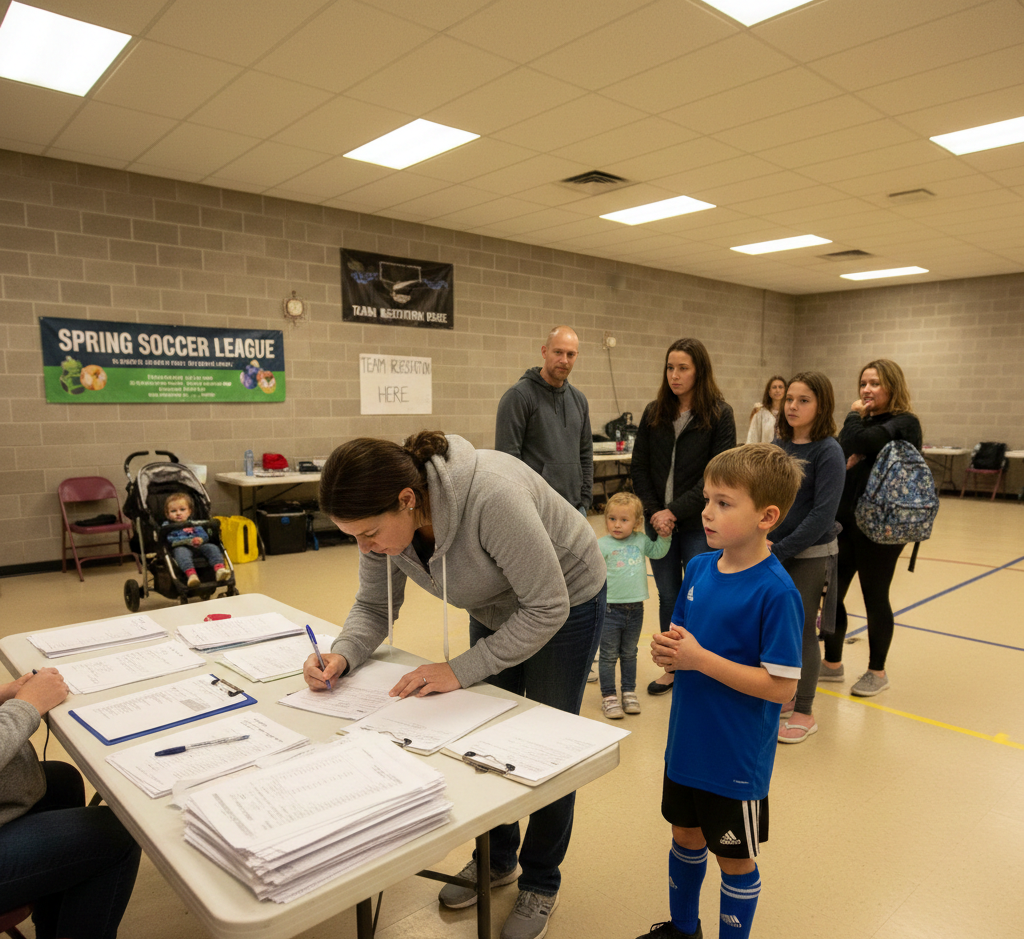
Registration is the first interaction families have with your league, and it sets the tone for everything that follows. Parents get frustrated by complicated forms, confusing payments, or unclear deadlines.
Many leagues have moved away from paper forms and checks. Today, management software lets families register online, upload documents, and pay fees in one place. This saves you time and helps prevent mistakes.
Be sure your registration system collects all the information you'll need later:
- Player age, grade, and birthdate for division placement
- Jersey size and number preferences
- Parent contact information for multiple guardians
- Emergency contacts and medical information
- Photo release and liability waivers
- Volunteer interest and availability
Offering early bird pricing can encourage families to register sooner and help you plan. Offering early registration discounts (like $10-15 off) can encourage families to sign up early.
Building Balanced Teams
Many leagues struggle with forming teams. If teams are too uneven, you'll hear complaints all season. Aim for balance so every team has a fair chance to win.
For recreational leagues, keep it simple: use age and grade to set up divisions, then randomly assign players to teams within each group. This helps avoid favoritism and keeps things fair.
If your league uses a draft, make sure coaches know why balance matters. A snake draft, where the last team to pick in one round goes first in the next, can help prevent a few teams from dominating.
Some leagues use skill assessments to place players, but this can make things more complicated. If you choose this method, standardize the evaluations and have several coaches watch each player to keep things fair.
Creating Your Season Schedule
Scheduling is often the hardest part of running a youth sports league. You have to work around limited field space, different age groups, weather issues, and the busy schedules of many families.
Get your field permits as early as possible. Cities often book fields months ahead, and the best time slots go quickly. Weekend mornings are usually the most popular for youth leagues.
When building your game schedule, consider these factors:
- Each team should play every other team at least once
- Avoid scheduling the same teams back-to-back if possible
- Balance home and away games evenly
- Leave buffer weeks for weather makeups
- Avoid major holiday weekends
- Consider having a set schedule (like "Team A always plays at 9am on Saturdays") to help families plan
Management software can automate much of the scheduling, check for conflicts, and keep things fair. The right tools can dramatically reduce the time spent on scheduling compared to manual spreadsheet methods.
Coordinating Volunteers
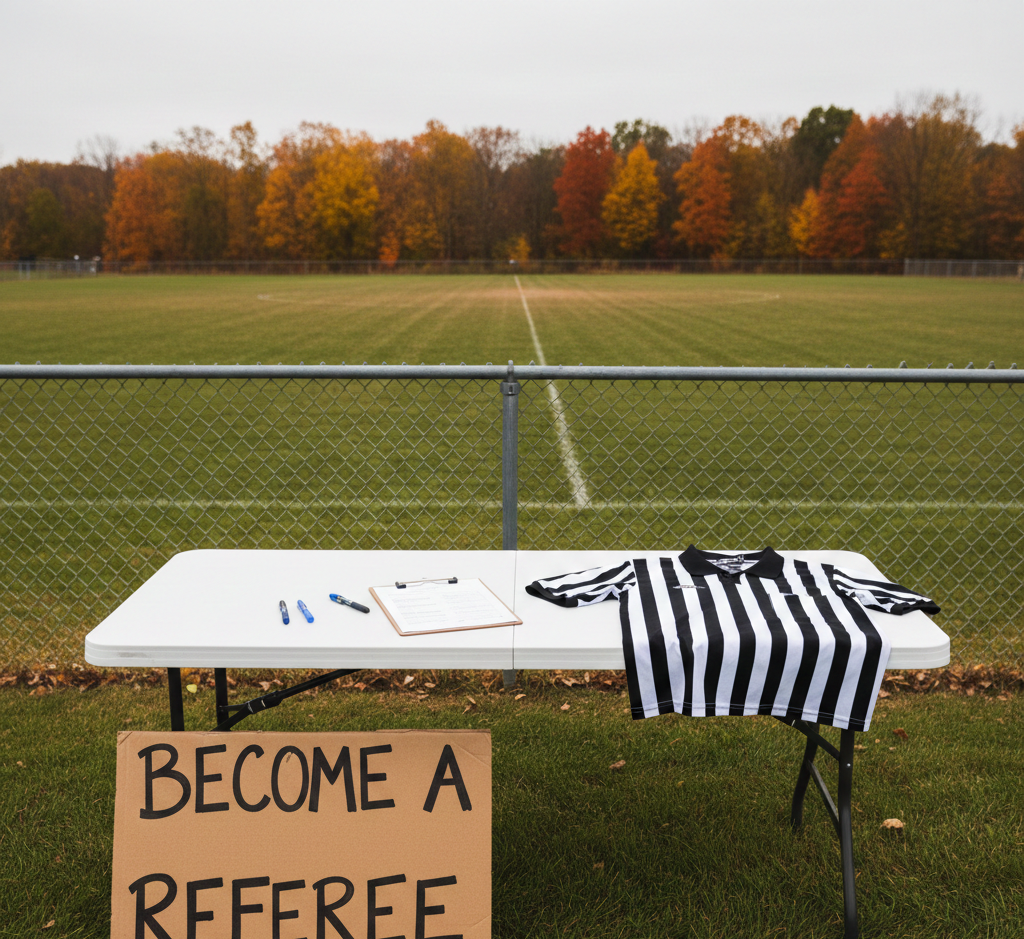
It's important to remember that your league depends on volunteers. You'll need coaches, assistant coaches, team parents, field coordinators, referees, concession stand workers, and board members.
Make volunteering as easy and attractive as you can. During registration, clearly explain the available volunteer roles and what each one involves. Some parents are happy to coach, while others prefer to help in different ways.
Write clear descriptions for each volunteer role, including the time and responsibilities involved. Be upfront about what's needed. For example, volunteers typically commit several hours per week, though the exact time varies by role.
Background checks are a must for anyone working with kids. Plan for the cost, which typically ranges from $10-50 per person depending on the level of detail required, and start early since the process can take a few weeks.
You might ask each family to help out by volunteering, whether it's coaching, setting up fields, or working the concession stand. This spreads out the work and helps build community. Tools like SyncedSport can track volunteer hours and send reminders for upcoming shifts.
Managing Communication
Clear and regular communication can prevent most league problems. Parents need to know about schedules, rainouts, rule changes, and important deadlines.
Set up multiple communication channels:
- Email for official announcements and detailed information
- Text messages for time-sensitive updates like weather cancellations
- A league website or app where families can access schedules and documents
- Social media for community building and highlights
Be proactive with your communication. Send a welcome email before the season starts that includes key dates and policies. Give coaches templates for team messages. Try to post weather updates at least two hours before game time.
You'll need to share the same information more than once and in different ways. Not everyone checks email every day, and texts can be missed. It's better to repeat important messages.
Planning for the Unexpected
Even with careful planning, problems can come up. Fields might flood, referees may not show, equipment can go missing, and parents might complain. Make your systems flexible and have backup plans in place.
Set a weather policy before the season begins and follow it. Decide if you'll play in light rain, how you'll judge unsafe conditions, who will make the decision, and how you'll let everyone know.
Set up a waitlist for popular age groups. Players sometimes drop out, so you'll want to fill those spots quickly. Let waitlisted families know their status and when they might hear about openings.
Plan your budget carefully and include extra funds for surprises. Field costs can be higher than expected, you may need more equipment, or you might have to pay for referee training you didn't plan for.
Getting Started Today
Starting a youth sports league takes effort, but it doesn't have to be overwhelming. Begin with a clear vision, find dedicated volunteers, and use systems that save you time and reduce stress.
A thriving league is usually well-organized and communicates clearly. Management software can take care of the paperwork, so you can focus on making the experience great for the kids.
If you want to move beyond spreadsheets and create something great, see how SyncedSport can help with registration, scheduling, and volunteer coordination. Everything is in one platform designed for youth sports leagues.